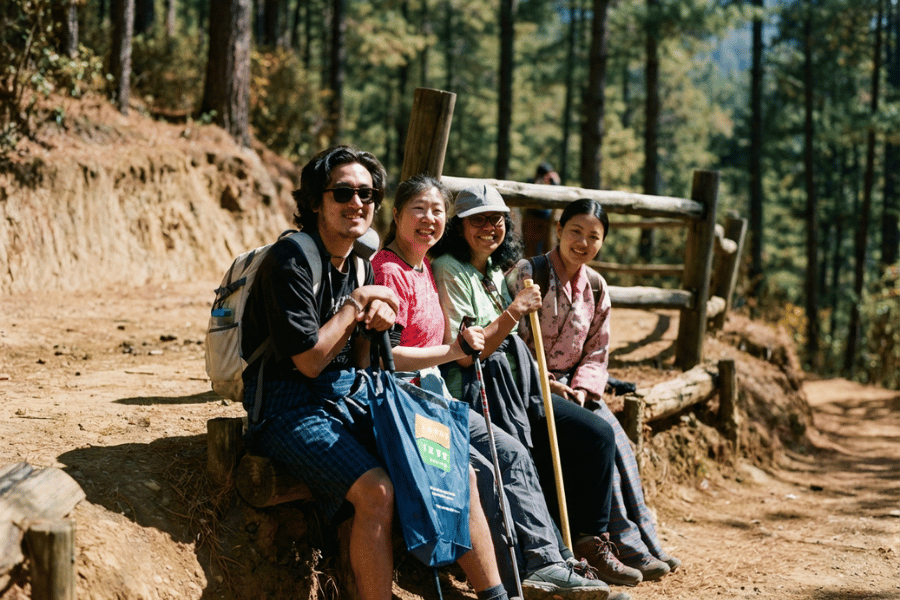
<div data-elementor-type="wp-post" data-elementor-id="11629" class="elementor elementor-11629"> <div class="elementor-element elementor-element-11936e1 e-flex e-con-boxed e-con e-parent" data-id="11936e1" data-element_type="container" data-e-type="container"> <div class="e-con-inner"> <div class="elementor-element elementor-element-41146aab e-con-full e-flex e-con e-child" data-id="41146aab" data-element_type="container" data-e-type="container"> <div class="elementor-element elementor-element-5bcdb13 elementor-widget elementor-widget-heading" data-id="5bcdb13" data-element_type="widget" data-e-type="widget" data-widget_type="heading.default"> <h2 class="elementor-heading-title elementor-size-default">Tiger’s Nest Trekking – A Spiritual and Adventurous Journey in Bhutan</h2> </div> <div class="elementor-element elementor-element-5a4fc9c4 elementor-widget elementor-widget-text-editor" data-id="5a4fc9c4" data-element_type="widget" data-e-type="widget" data-widget_type="text-editor.default"> <p><span style="font-weight: 400;">More than just a trek, this journey is an opportunity to soak in Bhutan’s mystical charm, explore its deep-rooted Buddhist heritage, and witness a place where time seems to stand still. Whether you’re an adventure seeker or looking for a spiritual retreat, </span><b>the Bhutan trekking</b><span style="font-weight: 400;"> to </span><b>The Tiger’s Nest</b><span style="font-weight: 400;"> is an unforgettable experience that blends history, mythology, and the natural beauty of the Himalayas.</span></p> </div> <div class="elementor-element elementor-element-760f4ce2 elementor-widget elementor-widget-image" data-id="760f4ce2" data-element_type="widget" data-e-type="widget" data-widget_type="image.default"> <img decoding="async" src="https://tripjyada.com/wp-content/uploads/2026/03/153.png" title="" alt="" loading="lazy" /> </div> </div> <div class="elementor-element elementor-element-752e61e0 elementor-widget elementor-widget-heading" data-id="752e61e0" data-element_type="widget" data-e-type="widget" data-widget_type="heading.default"> <h3 class="elementor-heading-title elementor-size-default">The Legend Behind The Tiger’s Nest </h3> </div> <div class="elementor-element elementor-element-68a86e7b elementor-widget elementor-widget-text-editor" data-id="68a86e7b" data-element_type="widget" data-e-type="widget" data-widget_type="text-editor.default"> <p><span style="font-weight: 400;">The monastery gets its intriguing name from an ancient legend that dates back to the </span><b>8th century</b><span style="font-weight: 400;">. It is believed that </span><b>Guru Padmasambhava</b><span style="font-weight: 400;">, also known as </span><b>Guru Rinpoche</b><span style="font-weight: 400;">, flew to this sacred site from Tibet on the back of a </span><b>tigress</b><span style="font-weight: 400;">. Here, he meditated in a cave for over </span><b>three years, three months, three weeks, three days, and three hours</b><span style="font-weight: 400;">, subduing evil spirits and spreading Buddhism across Bhutan.</span></p><p><span style="font-weight: 400;">In </span><b>1692</b><span style="font-weight: 400;">, the monastery was built around this sacred cave by Tenzin Rabgye, the ruler of Bhutan at the time. Despite its precarious location, </span><b>Paro Taktsang Monastery</b><span style="font-weight: 400;"> is an active meditation retreat, where monks seek enlightenment in deep solitude.</span></p> </div> <div class="elementor-element elementor-element-7bfcff99 elementor-widget elementor-widget-heading" data-id="7bfcff99" data-element_type="widget" data-e-type="widget" data-widget_type="heading.default"> <h3 class="elementor-heading-title elementor-size-default">What to Expect on the Tiger’s Nest Trek</h3> </div> <div class="elementor-element elementor-element-705f36bc elementor-widget elementor-widget-text-editor" data-id="705f36bc" data-element_type="widget" data-e-type="widget" data-widget_type="text-editor.default"> <h6><b>Trek Overview</b></h6><ul><li style="font-weight: 400;" aria-level="1"><b>Starting Point:</b><span style="font-weight: 400;"> Base Camp (2,600 meters)</span></li><li style="font-weight: 400;" aria-level="1"><b>Trek Distance:</b><span style="font-weight: 400;"> Approx. </span><b>4 km one way</b></li><li style="font-weight: 400;" aria-level="1"><b>Trek Duration:</b> <b>4-5 hours round trip</b></li><li style="font-weight: 400;" aria-level="1"><b>Difficulty Level:</b> <b>Moderate to Challenging</b></li><li style="font-weight: 400;" aria-level="1"><b>Altitude Gain:</b> <b>520 meters</b></li></ul><p><span style="font-weight: 400;">The trek to </span><b>Paro Taktsang</b><span style="font-weight: 400;"> is both physically challenging and incredibly rewarding. The well-maintained trail takes you through a pristine pine forest, across wooden bridges, and up over </span><b>700 stone steps</b><span style="font-weight: 400;">, leading to one of the most spectacular monasteries in the world.</span></p><h5>1. The First Stretch – A Walk Through Nature</h5><p><span style="font-weight: 400;">The journey starts at the </span><b>base camp</b><span style="font-weight: 400;">, where you’ll walk through a scenic forest of </span><b>blue pine, oak, and rhododendron trees</b><span style="font-weight: 400;">. The air is crisp, and colorful </span><b>prayer flags flutter in the breeze</b><span style="font-weight: 400;">, adding to the mystical atmosphere. This part of the trail is gradual but can be tiring, especially on a warm day.</span></p><h5>2. The Midway Café – A Scenic Rest Stop</h5><p><span style="font-weight: 400;">After about </span><b>an hour of hiking</b><span style="font-weight: 400;">, you’ll reach the </span><b>Taktsang Viewpoint Café</b><span style="font-weight: 400;">, the perfect place to rest and enjoy a cup of traditional </span><b>Bhutanese butter tea</b><span style="font-weight: 400;"> while taking in the </span><b>first clear view of The Tiger’s Nest</b><span style="font-weight: 400;">. Many trekkers pause here to admire the monastery’s surreal cliffside location.</span></p><h5>3. The Final Climb – The Most Challenging Stretch</h5><p><span style="font-weight: 400;">From the café, the trail becomes steeper, with </span><b>a series of narrow stone steps</b><span style="font-weight: 400;"> leading down into a deep gorge before ascending again. You’ll cross a </span><b>wooden bridge over a cascading waterfall</b><span style="font-weight: 400;">, and then climb a final set of stairs to reach the monastery entrance. Though demanding, this part of the trek is exhilarating, with every step bringing you closer to Bhutan’s most revered site.</span></p> </div> <div class="elementor-element elementor-element-185525ed elementor-widget elementor-widget-heading" data-id="185525ed" data-element_type="widget" data-e-type="widget" data-widget_type="heading.default"> <h3 class="elementor-heading-title elementor-size-default">Inside Paro Taktsang Monastery</h3> </div> <div class="elementor-element elementor-element-1378af3c elementor-widget elementor-widget-text-editor" data-id="1378af3c" data-element_type="widget" data-e-type="widget" data-widget_type="text-editor.default"> <p><span style="font-weight: 400;">Once you arrive at the monastery, the atmosphere shifts into pure tranquility. </span><b>The Tiger’s Nest Monastery</b><span style="font-weight: 400;"> consists of several temples, each adorned with </span><b>golden Buddha statues, intricate murals, and flickering butter lamps</b><span style="font-weight: 400;"> that illuminate the sacred space.</span></p> <h4><b>Key Highlights Inside the Monastery:</b></h4> <ul> <li style="font-weight: 400;" aria-level="1"><b>Guru Rinpoche’s Meditation Cave</b><span style="font-weight: 400;"> – The very cave where Guru Padmasambhava meditated for years.</span></li> <li style="font-weight: 400;" aria-level="1"><b>Ancient Buddhist Murals & Sacred Relics</b><span style="font-weight: 400;"> – Providing insight into Bhutan’s deep spiritual traditions.</span></li> <li style="font-weight: 400;" aria-level="1"><b>Panoramic Views of Paro Valley</b><span style="font-weight: 400;"> – A breathtaking sight that makes the entire trek worthwhile.</span></li> </ul> <p><b>Note:</b><span style="font-weight: 400;"> Photography is </span><b>not allowed inside</b><span style="font-weight: 400;"> the monastery, and visitors are expected to dress respectfully, covering their shoulders and legs.</span></p> </div> <div class="elementor-element elementor-element-bd71b1b elementor-widget elementor-widget-heading" data-id="bd71b1b" data-element_type="widget" data-e-type="widget" data-widget_type="heading.default"> <h3 class="elementor-heading-title elementor-size-default">Best Time to Trek to Tiger’s Nest</h3> </div> <div class="elementor-element elementor-element-db1d4d4 elementor-widget elementor-widget-text-editor" data-id="db1d4d4" data-element_type="widget" data-e-type="widget" data-widget_type="text-editor.default"> <p><span style="font-weight: 400;">The best seasons for </span><b>Tiger’s Nest trekking</b><span style="font-weight: 400;"> are </span><b>spring and autumn</b><span style="font-weight: 400;"> when the weather is ideal for hiking and the views are at their most stunning.</span></p> <ul> <li><b>Spring (March to May):</b><span style="font-weight: 400;"> Lush greenery, blooming rhododendrons, and comfortable temperatures.</span></li> <li><b>Autumn (September to November):</b><span style="font-weight: 400;"> Clear skies and crisp air, offer the best visibility of the monastery.</span></li> <li><b>Winter (December to February):</b><span style="font-weight: 400;"> Fewer tourists and snow-covered trails, making for a magical but chilly trek.</span></li> <li><b>Monsoon (June to August):</b><span style="font-weight: 400;"> Not ideal due to heavy rains, muddy paths, and potential landslides.</span></li> </ul> </div> <div class="elementor-element elementor-element-60cad4c elementor-widget elementor-widget-heading" data-id="60cad4c" data-element_type="widget" data-e-type="widget" data-widget_type="heading.default"> <h3 class="elementor-heading-title elementor-size-default">Tips for a Successful Trek</h3> </div> <div class="elementor-element elementor-element-3138dd6 elementor-widget elementor-widget-text-editor" data-id="3138dd6" data-element_type="widget" data-e-type="widget" data-widget_type="text-editor.default"> <ul><li style="font-weight: 400;" aria-level="1"><b>Start Early:</b><span style="font-weight: 400;"> The trek takes about </span><b>4-5 hours</b><span style="font-weight: 400;">, so it’s best to begin in the morning.</span></li><li style="font-weight: 400;" aria-level="1"><b>Wear Sturdy Hiking Shoes:</b><span style="font-weight: 400;"> The trail can be steep and slippery in some areas.</span></li><li style="font-weight: 400;" aria-level="1"><b>Stay Hydrated:</b><span style="font-weight: 400;"> Bring plenty of water and light snacks.</span></li><li style="font-weight: 400;" aria-level="1"><b>Use a Walking Stick:</b><span style="font-weight: 400;"> Helpful for balance, especially during the steep sections.</span></li><li style="font-weight: 400;" aria-level="1"><b>Dress Respectfully:</b><span style="font-weight: 400;"> Bhutan is a spiritual country, so modest clothing is recommended.</span></li><li style="font-weight: 400;" aria-level="1"><b>Hire a Guide:</b><span style="font-weight: 400;"> A local guide can enrich your experience with fascinating stories about </span><b>Paro Taktsang</b><span style="font-weight: 400;">.</span></li></ul> </div> <div class="elementor-element elementor-element-4061b40 elementor-widget elementor-widget-heading" data-id="4061b40" data-element_type="widget" data-e-type="widget" data-widget_type="heading.default"> <h3 class="elementor-heading-title elementor-size-default">Other Places to Visit Near Tiger’s Nest</h3> </div> <div class="elementor-element elementor-element-20ec859 elementor-widget elementor-widget-text-editor" data-id="20ec859" data-element_type="widget" data-e-type="widget" data-widget_type="text-editor.default"> <h6><b>1. Kyichu Lhakhang</b></h6><p><span style="font-weight: 400;">One of the oldest temples in Bhutan, built in the </span><b>7th century</b><span style="font-weight: 400;">, is known for its peaceful ambiance and sacred relics.</span></p><h6><b>2. Rinpung Dzong (Paro Dzong)</b></h6><p><span style="font-weight: 400;">A magnificent fortress monastery that hosts the annual </span><b>Paro Tshechu Festival</b><span style="font-weight: 400;">, a vibrant celebration of Bhutanese culture.</span></p><h6><b>3. Chele La Pass</b></h6><p><span style="font-weight: 400;">The highest motorable pass in Bhutan, offering breathtaking views of the </span><b>snow-capped Himalayas</b><span style="font-weight: 400;">.</span></p><h6><b>4. Drukgyel Dzong</b></h6><p><span style="font-weight: 400;">A historic fortress that once defended Bhutan from Tibetan invasions, is now a stunning ruin with panoramic views.</span></p> </div> <div class="elementor-element elementor-element-01563cf elementor-widget elementor-widget-heading" data-id="01563cf" data-element_type="widget" data-e-type="widget" data-widget_type="heading.default"> <h3 class="elementor-heading-title elementor-size-default">Why Tiger’s Nest Trekking is a Must-Do in Bhutan</h3> </div> <div class="elementor-element elementor-element-0549f4b elementor-widget elementor-widget-text-editor" data-id="0549f4b" data-element_type="widget" data-e-type="widget" data-widget_type="text-editor.default"> <p><span style="font-weight: 400;">The </span><b>Tiger’s Nest Trek</b><span style="font-weight: 400;"> is more than just a physical challenge—it’s a spiritual journey that immerses you in Bhutan’s rich culture, deep-rooted Buddhist traditions, and breathtaking natural landscapes. From the legendary tale of </span><b>Guru Padmasambhava</b><span style="font-weight: 400;"> to the mesmerizing views from the top, every moment on this trek is soul-stirring and unforgettable.</span></p><p><b>Ready to take on the adventure? Plan your Bhutan trekking experience and witness the magic of The Tiger’s Nest</b></p> </div> </div> </div> </div>
ON REQUEST